Streamlining Turnout Gear Inspections: A Practical Guide to NFPA 1851 Compliance
Blog
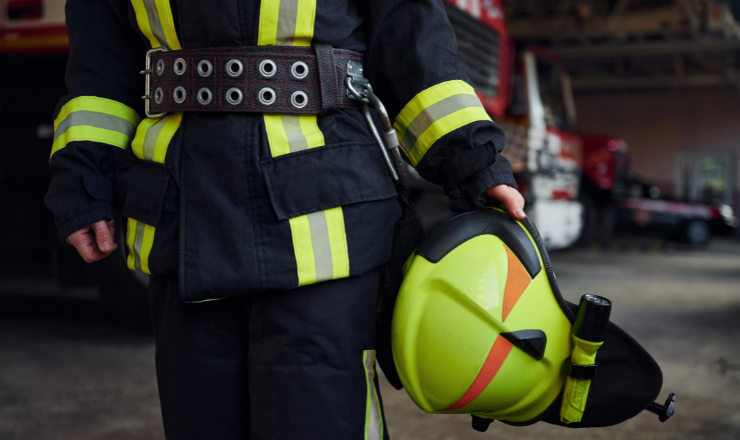
Table of Contents
Take Control of Your Assets
A personalized demo is just one click away.
It begins with the fire alarm. Firefighters stop what they’re doing, step into their gear, and get in the truck. Whether they’re responding to a car accident or a five-alarm fire, they have to be ready for anything—and so does their equipment. Every time a firefighter responds to an emergency, they’re trusting their life in their gear. That’s why NFPA 1851 compliance isn't just a bureaucratic requirement—it's a critical safety protocol.
NFPA 1851 is short for National Fire Protection Association 1851. It establishes guidelines for the upkeep and maintenance of firefighters’ personal protective equipment (PPE). It’s a crucial requirement for any fire station, but its frequent revisions and extensive requirements can feel like just another series of hoops to jump through. Your crew's safety is your number one priority, but the administrative burden of NFPA 1851 compliance can be overwhelming.
However, using modern technology can make your most important task easier, faster, and more reliable than ever before. Break through the bureaucracy with Asset Panda, a single-platform solution that can handle your NFPA 1851 compliance for you. This isn't about adding another task; it’s about handing over an existing task to a purpose-built tool.
Stop chasing paperwork and start guaranteeing readiness. Asset Panda transforms NFPA 1851 compliance from a manual chore into a streamlined, automated workflow. With custom digital checklists, automated alerts, and a complete digital history for every piece of gear, you can ensure your team is protected and your department is always inspection-ready.
A Quick Refresher: What Does NFPA 1851 Actually Require?
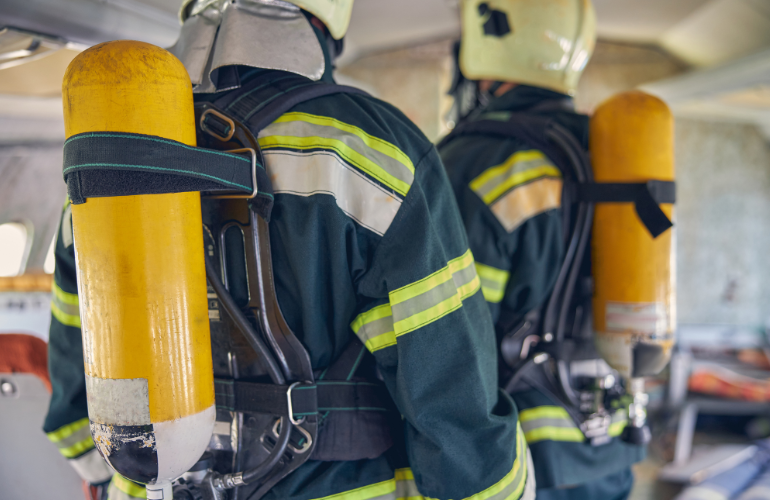
NFPA 1851 provides guidance for the care of firefighter PPE to keep their gear in top shape and to minimize firefighters’ exposure to fire ground contaminants that can potentially cause health problems if PPE is improperly maintained or stored. In the latest version released in 2020, the standard underwent significant revisions, which means your compliance system needs a refresh, too.
But first, what does it mean to be NFPA 1851 compliant? And how do the revised guidelines impact firefighters’ duties? Read on for a breakdown of the core components of the standard, including what has changed and what has stayed the same:
- Routine inspections. One of the most significant changes of the 2020 update was to increase the frequency of inspections to every time a firefighter wears or uses their PPE. If PPE is worn during a structure fire, it should be considered contaminated until this post-use inspection occurs.
- Advanced inspections. Another major change: annual inspections have been moved up from once every year to at least every six months, possibly more depending on whether the PPE has been exposed to products of combustion. The 2020 version includes updated flow charts to aid in determining what level of cleaning is required.
- Detailed record keeping. NFPA 1851 requires that fire departments keep records documenting every time safety equipment is cleaned, including whether specific equipment (like an extractor) was used in the process. It also requires departments to keep records of every advanced inspection.
- Risk assessment every 2 years. Another component of the 2020 update is the increased frequency of risk assessments. Fire departments must assess each piece of gear, including its frequency of use and the types of duties firefighters performed while using it. If changes are found that affect standard operating procedures, risk assessments should be performed even more frequently.
- Storage and retirement. The end-of-life requirement for firefighter PPE is unchanged; it continues to be 10 years from date of manufacture. However, storage requirements have changed: stored PPE should not be exposed to UV rays like fluorescent lighting, direct sunlight, or even indirect sunlight.
You can read NFPA 1851 in its entirety at NFPA.org. Though you need to purchase the standard to download or print out the information, you can read it for free through the Free Access portion of the website.
The Problem with Paper: Where Manual Logs Fall Short
Ensuring firefighter safety with NFPA 1851 compliance is a critical, non-negotiable task. But with the increased number of detailed requirements for record-keeping introduced in the latest version of the standard, its upkeep is a more extensive job than ever before.
It’s possible that your department was able to get by in the past with manual logs, either through paper checklists on a clipboard or cells on an Excel spreadsheet. But as the number of NFPA 1851 record-keeping requirements increases, cracks in the system start to show. Here are some of the problems you may already be experiencing:
- Missed deadlines. Time flies, especially when you have the mission-critical job of overseeing public safety. Departments might not have a system that notifies them when it’s time for the six-month advanced inspection, especially if the date varies for different pieces of PPE. Not to mention, it’s easy to lose track of that non-negotiable 10-year equipment retirement date on a spreadsheet.
- Inconsistent inspections. Routine inspections after PPE use occur frequently and simultaneously, with many different firefighters doing their own inspections at once. But different firefighters may check for different things, especially if they don’t have a standardized gear inspection checklist. Even if they do, their variance in handwriting may make it difficult to determine if there were any anomalies.
- No real-time visibility. If inspection data is stored in a stack of paper, the Chief has no easy way to see the readiness status of the department's entire PPE inventory. Even if it’s stored in a spreadsheet, there’s no telling which is the most current version. And if a lot of firefighters have access to the same spreadsheet, they may unintentionally introduce human error into the data.
According to FIRESCOPE, the California government program concerned with creating standardized protocol for firefighters across the state, it is a best practice for fire departments to work with an Independent Service Provider (ISP) that can help teams to more easily meet NFPA 1851 requirements. An ISP can serve as a high-tech solution to schedule inspections, manage a cleaning schedule, and maintain records for firefighting teams.
How to Build an Automated Inspection Workflow
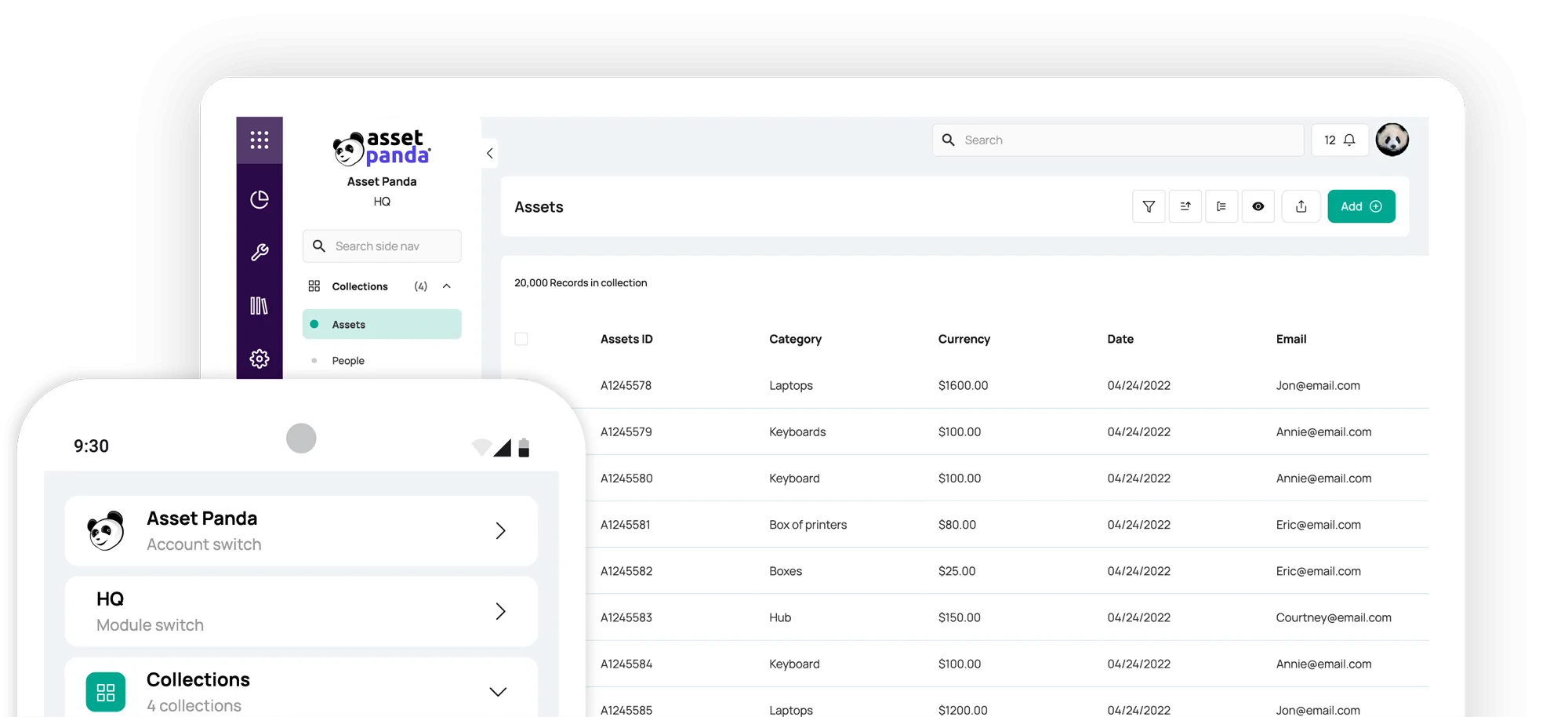
While an ISP can help your department keep records and maintain compliance more easily, powerful cloud-based solutions like Asset Panda can do the same by enabling seamless, customized record-keeping. Let’s walk through what a day in the life looks like with Asset Panda on your side:
- Digitize your checklist: Build the NFPA 1851 inspection criteria as a custom digital form in Asset Panda, so you know every firefighter is working off the same checklist.
- Scan the gear: Use the mobile app to scan the barcode inside a helmet or coat. The complete history of that specific item appears instantly. At a glance, you can see when each item underwent its last inspection—and for that matter, every inspection.
- Perform the inspection: Now, inspecting gear is as easy as running through the digital checklist accessible on your smartphone. Also using your phone, you can easily add notes or attach photos of any damage.
- Automate the record: Once you hit "complete," the inspection is automatically logged with your name, the date, and the results. No double-entry needed.
- Set it and forget it alerts: Never miss a deadline again when you use Asset Panda’s scheduling feature to set automated alerts for the next advanced inspection, 2-year risk assessment, and for the gear's final 10-year retirement date.
Working with an ISP isn’t about introducing more complexity into your workflow; it’s about replacing inefficient tasks with simpler alternatives. Using Asset Panda, you can make firefighter PPE tracking a breeze with a suite of technological tools that are purpose-built for ensuring firefighter safety and effortless compliance.
From Compliant to Confident
Firefighter safety is too important a concern for your department to just barely meet NFPA 1851 compliance. Though it can sometimes feel like just another bureaucratic hurdle, the standard and its significant changes exist to protect lives. A failure in PPE is a catastrophic failure for the department, with legal, financial, and human consequences.
What your department needs is a system that is fast, thorough, and creates an ironclad record. Something that will stand up to internal and external audits alike while streamlining everyday tasks like routine inspections, so everyone in your crew can participate in the shared task of keeping everyone safe. In return, you’ll receive the ultimate benefit: peace of mind. With a digital system like Asset Panda to simplify tasks and keep airtight records, you’ll have the confidence that your crew is safe, and the department is fully compliant.
Ensuring firefighter safety is a key part of modernizing your department's operations. See how Asset Panda can improve efficiency from the firehouse to the front office in your personalized walkthrough.
→ Explore the Public Administrator's Playbook for Driving Operational Efficiency.
Take Control of Your Assets
A personalized demo is just one click away.
Additional resources to help you modernize operations


Learn more from a solution specialist
Schedule a demo to find out how you can transform your workflows with Asset Panda Pro
Contact our team at (888) 928-6112