
Understanding the Importance of Fixed Asset Depreciation
Blog
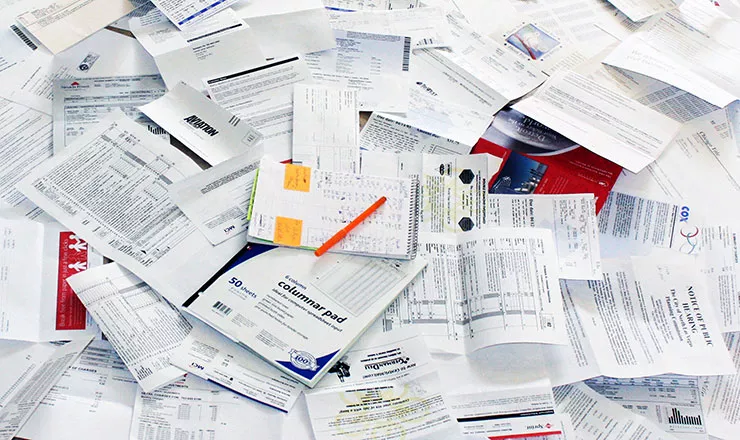
Table of Contents
Take Control of Your Assets
A personalized demo is just one click away.
Quick Answer
Fixed asset depreciation is the process of allocating the cost of a long-term tangible asset over its useful life. Rather than recording the entire purchase price as an expense immediately, organizations recognize a portion of the asset's cost over multiple accounting periods. Tracking fixed asset depreciation helps organizations maintain accurate financial statements, comply with accounting standards, improve budgeting, support tax reporting, and make better lifecycle management decisions.
What Is Fixed Asset Depreciation?
Fixed asset depreciation is the gradual reduction in the value of a long-term tangible asset due to normal use, age, wear and tear, or obsolescence. Rather than recognizing the full purchase cost when an asset is acquired, businesses spread that cost across the period during which the asset generates value. This provides a more accurate representation of both expenses and asset value over time.
Examples of assets that commonly depreciate include:
- Vehicles
- Manufacturing equipment
- Construction machinery
- Computers and IT equipment
- Office furniture
- Buildings and facilities
- Production equipment
Properly tracking fixed asset depreciation helps organizations understand the true cost of owning and operating these assets while supporting accurate financial reporting.
Key Considerations When Calculating Fixed Asset Depreciation
Several factors determine how depreciation is calculated.
- Useful Life: Useful life is the estimated period during which an asset will continue providing economic value to the organization. For example, a laptop typically has a useful life of 5 years, while heavy construction equipment may remain in service much longer. Depreciation spreads the asset's cost across this expected lifespan.
- Salvage Value: Salvage value is the estimated value an asset will retain when it reaches the end of its useful life. Depreciation is generally calculated using the asset's original cost minus its expected salvage value.
- Depreciation Method: Organizations typically use one of two primary depreciation methods:
- Straight-Line Depreciation: The straight-line method allocates depreciation evenly across an asset's useful life, making it the simplest and most widely used approach.
- Accelerated Depreciation: Accelerated depreciation records larger depreciation expenses during the early years of an asset's life and smaller expenses later. Depending on applicable accounting and tax rules, this approach may provide financial or tax planning advantages.
Why Is Fixed Asset Depreciation Important?
Fixed asset depreciation supports far more than year-end accounting. It helps organizations understand the financial and operational performance of their long-term investments. Here are 4 key reasons depreciation is so important for businesses to track.
1. Accurate Financial Reporting
Depreciation ensures financial statements reflect the current value of fixed assets rather than only their original purchase price. Organizations that follow Generally Accepted Accounting Principles (GAAP) rely on depreciation to maintain accurate balance sheets and income statements while presenting a realistic picture of financial performance.
2. Tax Planning and Compliance
Depreciation can reduce taxable income by recognizing the cost of long-term assets over time rather than all at once.
Maintaining accurate depreciation records also helps organizations support tax filings and comply with applicable accounting regulations. Because tax treatment varies by jurisdiction, organizations should consult qualified accounting or tax professionals regarding depreciation policies.
3. Better Budgeting and Capital Planning
Understanding how assets depreciate helps organizations anticipate future replacement costs.
Rather than reacting to unexpected equipment failures, finance and operations teams can forecast capital expenditures, prioritize investments, and develop long-term replacement plans based on asset age and remaining useful life.
4. Improved Asset Lifecycle Management
Depreciation becomes even more valuable when combined with maintenance history, inspections, warranties, and utilization data. Together, these records help organizations identify aging assets, optimize maintenance schedules, and determine when repair costs begin to outweigh replacement costs.
Benefits of Fixed Asset Depreciation
Organizations that consistently track fixed asset depreciation gain several operational and financial advantages.
Accurate Expense Reporting
Depreciation matches the cost of an asset with the revenue it helps generate over time. This creates more accurate financial reporting and provides stakeholders with a clearer picture of organizational performance.
Correct Net Book Value
As assets age, their book value changes. Fixed asset depreciation allows organizations to calculate an asset's net book value by subtracting accumulated depreciation from its original purchase cost. This information supports financial reporting, audits, and investment decisions.
Cost Recovery
Rather than absorbing a large capital expense all at once, organizations recover the cost of an asset gradually throughout its useful life. This improves long-term financial planning and provides a more realistic view of asset costs.
Better Operational Visibility
When depreciation data is connected with maintenance records, utilization history, and inspections, organizations gain a more complete understanding of asset performance throughout its lifecycle.
Best Practices for Tracking Fixed Asset Depreciation
Organizations can improve depreciation accuracy by following a few consistent practices, such as:
- Maintaining complete purchase records and invoices.
- Documenting acquisition dates and asset costs.
- Applying consistent depreciation methods across similar asset categories.
- Reviewing useful life assumptions periodically.
- Tracking maintenance history alongside depreciation data.
- Reconciling depreciation schedules with financial records.
- Regularly reviewing asset records for disposal, replacement, or impairment.
It's also important to recognize that not every asset depreciates. Land generally does not depreciate, and low-cost or short-lived items may be treated differently depending on accounting policies.
How Asset Management Software Simplifies Depreciation Tracking
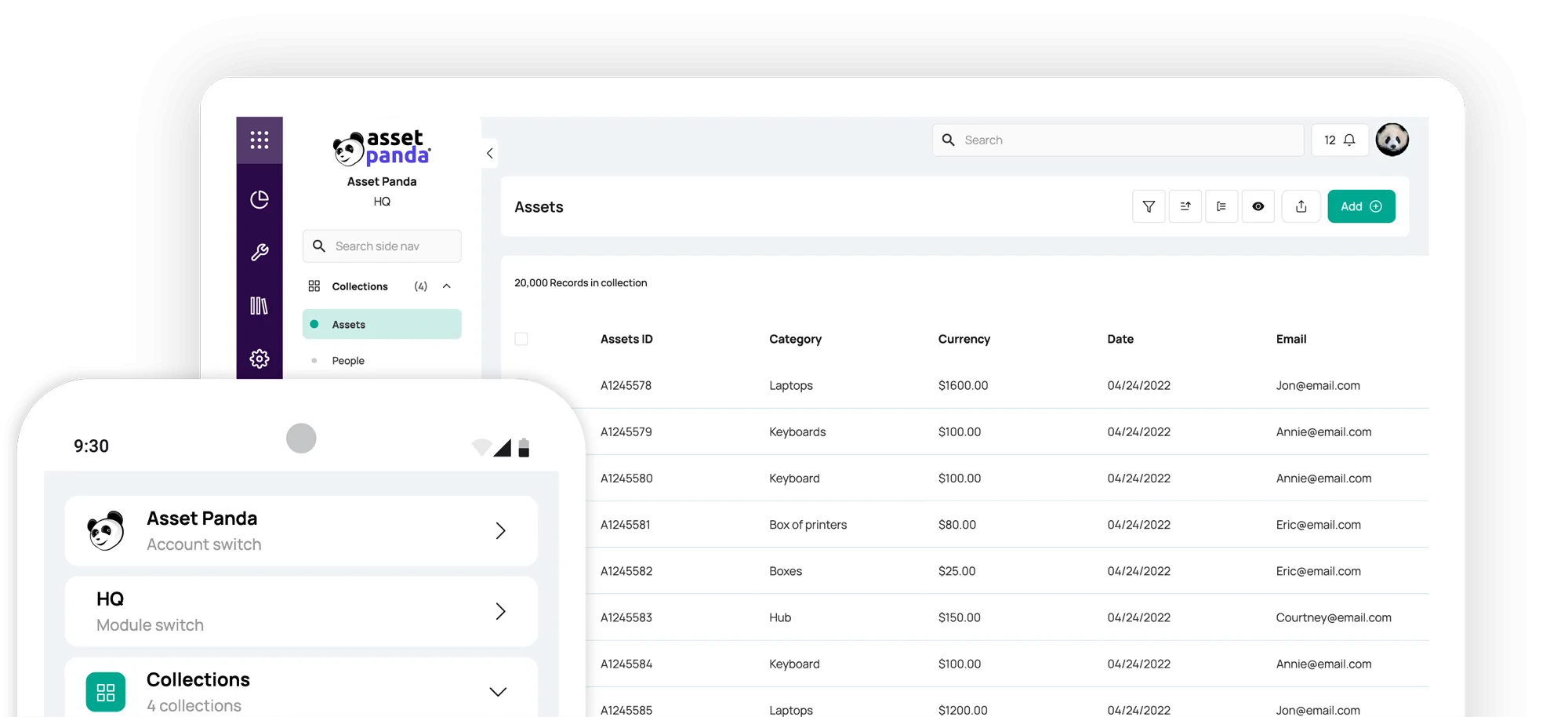
Managing depreciation manually becomes increasingly difficult as asset inventories grow. That's why modern asset management software is an ideal solution for centralizing purchase records, depreciation schedules, maintenance history, warranty information, inspections, and lifecycle reporting.
Rather than maintaining multiple spreadsheets, finance and operations teams can work from a single source of truth while reducing manual calculations and improving reporting accuracy.
Track Fixed Asset Depreciation with Asset Panda
Fixed asset depreciation is more than an accounting requirement; it is a critical component of financial reporting, compliance, budgeting, and long-term asset management. By accurately tracking depreciation, organizations gain a clearer understanding of asset value, improve capital planning, and support more informed operational decisions.
Asset Panda's modern solution helps organizations manage fixed assets throughout their entire lifecycle while simplifying depreciation tracking and reporting. Businesses can automate depreciation schedules, maintain complete asset histories, monitor maintenance activity, and generate audit-ready reports from one easy-to-use platform.
Ready to see how Asset Panda can streamline your fixed asset depreciation tracking? Schedule a call with your solution specialist now.
Take Control of Your Assets
A personalized demo is just one click away.
Frequently asked questions
What is fixed asset depreciation?
Fixed asset depreciation is the process of allocating the cost of a long-term tangible asset over its useful life. It allows organizations to recognize the asset's expense gradually rather than recording the full purchase cost immediately.
Why is fixed asset depreciation important?
Fixed asset depreciation supports accurate financial reporting, tax planning, budgeting, compliance, and asset lifecycle management by reflecting the declining value of long-term assets over time.
What assets can be depreciated?
Assets commonly subject to depreciation include vehicles, machinery, buildings, computers, furniture, manufacturing equipment, and other long-term tangible assets used in business operations. Land is generally not depreciated.
What factors affect fixed asset depreciation?
The primary factors include an asset's purchase cost, useful life, estimated salvage value, and the depreciation method used.
How does asset management software help with fixed asset depreciation?
Asset management software automates depreciation calculations, maintains complete asset histories, tracks maintenance and lifecycle data, generates audit-ready reports, and helps organizations improve reporting accuracy and compliance.

Learn more from a solution specialist
Schedule a demo to find out how you can transform your workflows with Asset Panda Pro
Contact our team at (888) 928-6112