
Why Pre-Built ERP Reports Fall Short of Government Compliance Needs
Blog

Table of Contents
Take Control of Your Assets
A personalized demo is just one click away.
If your ERP system already includes asset and depreciation reports, it’s easy to assume your agency is covered for compliance. After all, the reports are pre-built in your designated financial system—why wouldn’t they cover all your reporting needs?
While canned ERP reports may be enough for internal purposes, they’re not designed to meet the full scope of external accounting standards like GASB 34. Come audit season, public sector agencies solely relying on ERP reports could find themselves dealing with audit delays or non-compliance.
In this article, we’ll take a closer look at what canned ERP reports provide and where they fall short for government financial compliance.
What Canned ERP Reports Are Designed to Do
Most ERP systems include pre-built or “canned” reports that serve a specific purpose. Typically, these are designed for standard financial reporting that provides leadership with a high-level overview of the organization’s financial health. These reports work well internally for general accounting and balance sheet alignment.
However, pre-built ERP reports often include the same fields no matter your industry, which may or may not align with the exact naming conventions or metrics an agency uses internally. They don't necessarily focus on operational reporting either—something that is crucial for complying with regulations like GASB 34. Canned ERP reports don’t provide clear insights into the full lifecycle of assets and their change history, which means they cannot provide clear audit trails on their own.
What Does GASB 34 Compliance Actually Require?
GASB 34 is a Governmental Accounting Standards Board statement requiring state and local governments to report on capital assets, infrastructure, and depreciation in their financial statements.
For public sector agencies, compliance goes beyond financial summaries. GASB 34 requires agencies to maintain:
- A complete capital asset register
- Consistent depreciation calculations and depreciation methods
- Audit-ready records with details like acquisition cost, in-service date, expected useful life, and maintenance history
- Infrastructure asset reporting
- Asset disposal documentation
It’s not enough to report total asset values or accumulated depreciation. Agencies must be able to trace the history of individual assets and provide clear lifecycle documentation for external audits.
Read our Ultimate Guide to GASB-Compliant Asset Management
Where Pre-Built ERP Reports Fall Short
While ERP reports provide vital financial data, they often fall short in several critical areas needed for compliance.
1. Rigid Report Structures
Canned reports not only refer to the fact that they’re pre-built, but also that they come in fixed formats. This limits filtering and field customization, meaning fields may not match the exact naming conventions your team uses (e.g., Equipment vs IT Devices). When you have other databases with asset information that you try to incorporate into ERP reports, this creates an unintuitive experience and can even cause errors.
However, public sector agencies need to report by metrics such as:
- Department
- Funding sources, including grants
- Asset class
- Location
The gap: The report exists, but not in the format required.
2. Lack of Real-Time Visibility
Many ERP reporting processes are on a set schedule, meaning an organization is likely getting insight into their assets and depreciation on a quarterly or annual basis. To get current asset values and statuses, teams need to pull a report in the moment. However, this still doesn’t quite create real-time visibility, as assets that frequently change hands or locations could have out-of-date data in mere hours.
The gap: ERP reports don’t provide real-time insight into asset inventories, as data might be outdated as soon as reports are manually generated.
3. Weak Audit Trails
ERP reports typically focus on summarizing data and showing the current value or accumulated depreciation, not the history behind them. However, clear asset lifecycle data is a key piece of GASB 34 compliance.
Auditors often require:
- Change logs
- Record-level history
- Visibility into who updated what and when
The gap: You can see the most recent data but not trace how records have changed over time.
The Hidden Risk: False Confidence in Your Data
The most significant issue with ERP reporting isn’t always what’s missing, but rather what agencies assume.
Many organizations might think, “We have reports in our company’s financial system of record, so we’re compliant.” But when auditors request more operational information or detailed historical records, compliance gaps form.
At that point, teams are forced into:
- Last-minute reconciliation
- Manual report adjustments
- Increased audit scrutiny and compliance risk
The Operational Impact of Poor Reporting
When ERP reports fall short, the burden shifts to your team. They now need to step away from other projects to reconcile asset data across systems to form a clear audit trail.
While your team may come to expect tedious manual work during financial close, it is possible to create detailed, audit-ready reports from the start with a modern asset management system.
What Should Modern Compliance Reporting Look Like?
When it comes time to find a more comprehensive asset management solution, what features should you look for to ensure GASB 34 compliance? Here are the capabilities that matter most for modern compliance reporting.
- Flexible Reporting: Your chosen platform will likely come with pre-built reports, but make sure it also offers the ability to customize reports to streamline the audit process. Look for software with configurable fields and reporting that can match your internal naming conventions and agency-specific requirements.
- Asset-Level Visibility: A compliant asset management system shouldn’t just paint a broad picture of your inventory but provide detailed records for each individual asset. Records should have an immutable log of the asset’s entire lifecycle, including its original purchase date and value, accumulated depreciation, utilization, repairs, and check-in/check-out history. This automatic historical tracking gives you built-in audit trails for a seamless financial close.
- Real-Time Data: It’s essential that your chosen solution tracks assets in real time to ensure that your data is always accurate. This is especially helpful for field workers who are moving assets to different locations and checking items in and out frequently. With real-time data readily available, you’ll never have to worry about giving an auditor out-of-date reports.
Get the Compliant Reporting You Need with Modern Asset Management
ERP systems are essential for financial management, but their canned reports don’t quite meet the complex needs of public sector compliance.
- They provide structure, but not flexibility.
- They provide totals, but not traceability.
- They provide outputs, but not context.
Complying with essential standards like GASB 34 requires more than a summarized financial report. It requires confidence in the data behind it. A modern asset management system supports exactly that.
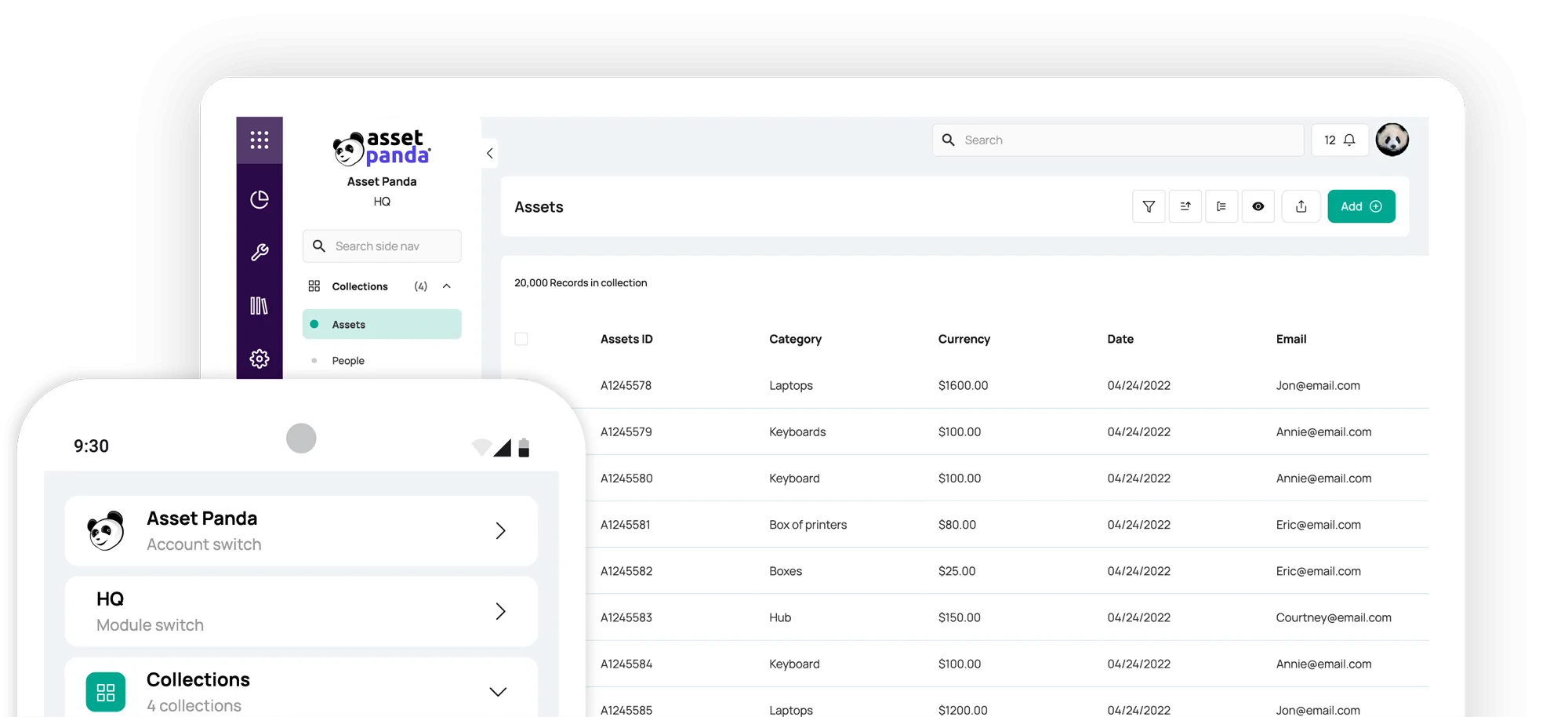
Asset Panda’s government asset management software ensures you’re always audit-ready with real-time data and comprehensive reports. Every task, status change, or depreciation calculation is logged automatically, building an immutable audit trail without adding to your team's workload.
Asset Panda serves as a centralized capital asset register to numerous local and state governments and public sector agencies across the country. With robust asset records, flexible reports, and real-time data visibility, your agency can streamline asset tracking and reporting and comply with GASB 34 requirements.
See how Asset Panda can help your organization build reliable audit trails for GASB 34 compliance. Request a meeting with your solution specialist now.
Take Control of Your Assets
A personalized demo is just one click away.
Frequently Asked Questions
Why are ERP reports not sufficient for government compliance?
ERP reports are not sufficient for government compliance because they are rigid, lack asset-level detail, and do not provide the audit trails and flexibility required for standards like GASB 34. They are designed for general financial reporting, not detailed compliance needs.
What is GASB 34 and why does it matter for asset reporting?
GASB 34 is a U.S. government accounting standard that requires state and local agencies to report detailed information about capital assets, including depreciation and asset values. It matters because agencies must provide accurate, auditable records to comply with financial reporting requirements and pass audits.
Why do government agencies need custom reports instead of standard ERP reports?
Government agencies need custom reports because compliance requirements—like GASB 34—demand detailed, flexible, and auditable data views. Standard ERP reports are designed for general financial reporting and cannot easily adapt to specific audit, departmental, or funding-level requirements.
Related Resources



Learn more from a solution specialist
Schedule a demo to find out how you can transform your workflows with Asset Panda Pro
Contact our team at (888) 928-6112