
Why Construction Companies Need Tool Crib Management Software
Blog

Table of Contents
Take Control of Your Assets
A personalized demo is just one click away.
Quick Answer
Tool crib management software helps construction companies track tools, equipment, jobsite assignments, maintenance schedules, and tool kits from a centralized system. By replacing spreadsheets and manual logs, companies gain real-time visibility into what tools they own, where those tools are located, who is using them, and when they need maintenance or replacement.
For organizations managing multiple crews, jobsites, and high-value equipment, tool crib management software improves accountability, reduces loss, simplifies audits, and helps ensure workers have the tools they need when work begins.
What Is Tool Crib Management?
A tool crib is a dedicated area where construction companies store, issue, receive, and manage tools and equipment. This may be a warehouse, trailer, conex container, or secure room where assets are maintained before being deployed to the field.
Tool crib management is the process of tracking tools as they move between storage locations, employees, vehicles, and jobsites.
A strong tool crib management process helps answer critical questions:
- What tools do we own?
- Where are they currently located?
- Who checked them out?
- What condition are they in?
- Which tools require maintenance or replacement?
Tool crib management software centralizes this information, making it easier to manage equipment across multiple projects and locations.
Why Construction Companies Outgrow Spreadsheets
Many construction companies begin tracking their tools with spreadsheets. While this may work for small inventories, it becomes increasingly difficult as equipment moves between job sites, crews, and storage locations.
Spreadsheets provide limited visibility into who has a tool, when it was checked out, and whether it has been returned. They also make it difficult to track maintenance schedules, overdue equipment, and tool accountability. As inventories grow, companies often find themselves spending more time updating spreadsheets than managing tools.
Tool crib management software solves this problem by creating a centralized system of record that automatically tracks assignments, check-outs, maintenance activity, and inventory changes.
Why Tool Kits Matter in Construction
Construction tools are often deployed in kits rather than as individual items. An electrical crew may require a kit containing drills, testers, meters, batteries, and hand tools. A maintenance team may use a standardized repair kit. Rather than checking out each item individually, many companies issue complete kits to crews or jobsites.
While kitting is the best solution for workers, it can create a unique tracking challenge.
A tool kit should move as a single unit, but each tool inside the kit still needs its own maintenance history, warranty information, and accountability record. The best tool crib management software supports both requirements. Teams can check kits in and out quickly while maintaining visibility into every individual tool within the kit. This improves efficiency without sacrificing accountability.
Benefits of Tool Crib Management Software
Centralized Visibility and Accountability
Tool crib management software creates a single source of truth for construction tools and equipment.
Managers can quickly determine what assets are available, assigned, under repair, or deployed to a specific job site. Detailed assignment histories also improve accountability by documenting who had a tool, where it was used, and when it was returned. This visibility helps reduce tool fade, duplicate purchases, and unnecessary equipment rentals.
Faster Check-In and Check-Out
Using barcode or QR code scanning, tool crib managers can issue and return equipment quickly. Every transaction is recorded automatically, creating a complete audit trail for each asset. Employees spend less time waiting for equipment, and managers spend less time reconciling inventory records.
For companies managing large inventories, even small improvements in check-in and check-out efficiency can save significant administrative time.
Better Tool Kit Management
For organizations that issue job kits, gang boxes, or crew-specific tool sets, kitting capabilities are essential.
A robust system should allow teams to:
- Build kits from individual tools
- Assign kits to job sites or crews
- Check kits in and out as a single unit
- Verify components upon return
- Identify missing or damaged tools quickly
This helps ensure crews receive complete equipment sets while maintaining accountability for every tool inside the kit.
Maintenance, Calibration, and Repair Tracking
Construction tools experience heavy use and require regular maintenance.
Tool crib management software helps organizations track service history, maintenance schedules, calibration dates, warranties, and repair activity. Instead of reacting to equipment failures, teams can proactively manage maintenance and reduce downtime. This extends tool lifespan and helps keep equipment safe and operational.
Easier Audits, Reporting, and Budget Planning
Accurate inventory records make audits significantly easier. With a digital tool tracking system, teams can conduct inventory counts more efficiently, identify discrepancies faster, and generate reports on utilization, maintenance costs, and asset conditions.
This information also supports budgeting decisions by helping organizations understand which tools are heavily used, frequently repaired, or approaching replacement.
What to Look for in Tool Crib Management Software
The best tool crib management software should support real-world construction workflows.
Look for features such as:
- A mobile app with offline access
- Barcode or QR code scanning
- Check-in/check-out workflows
- Tool kit management
- Maintenance and calibration tracking
- Job site and crew assignments
- Reporting and dashboards
- Custom workflows and fields
- Cloud-based access
The goal is to create a system that improves accountability without adding administrative burden.
Best Practices for Managing a Construction Tool Crib
Successful construction companies typically follow a few common practices when it comes to managing a tool crib:
- Create clear categories for tools and equipment
- Assign every trackable tool a unique asset identifier
- Standardize tool kits for common jobs and crews
- Require check-in/check-out for all equipment movement
- Schedule regular inventory audits
- Track maintenance and repair activity consistently
These processes help ensure inventory records remain accurate and useful over time.
How Asset Panda Supports Tool Crib Management
Tool crib management software gives construction companies greater visibility into their tools, equipment, and job site assets. By replacing spreadsheets and manual processes with a centralized tracking system, organizations can reduce tool loss, improve accountability, simplify audits, and make better equipment decisions.
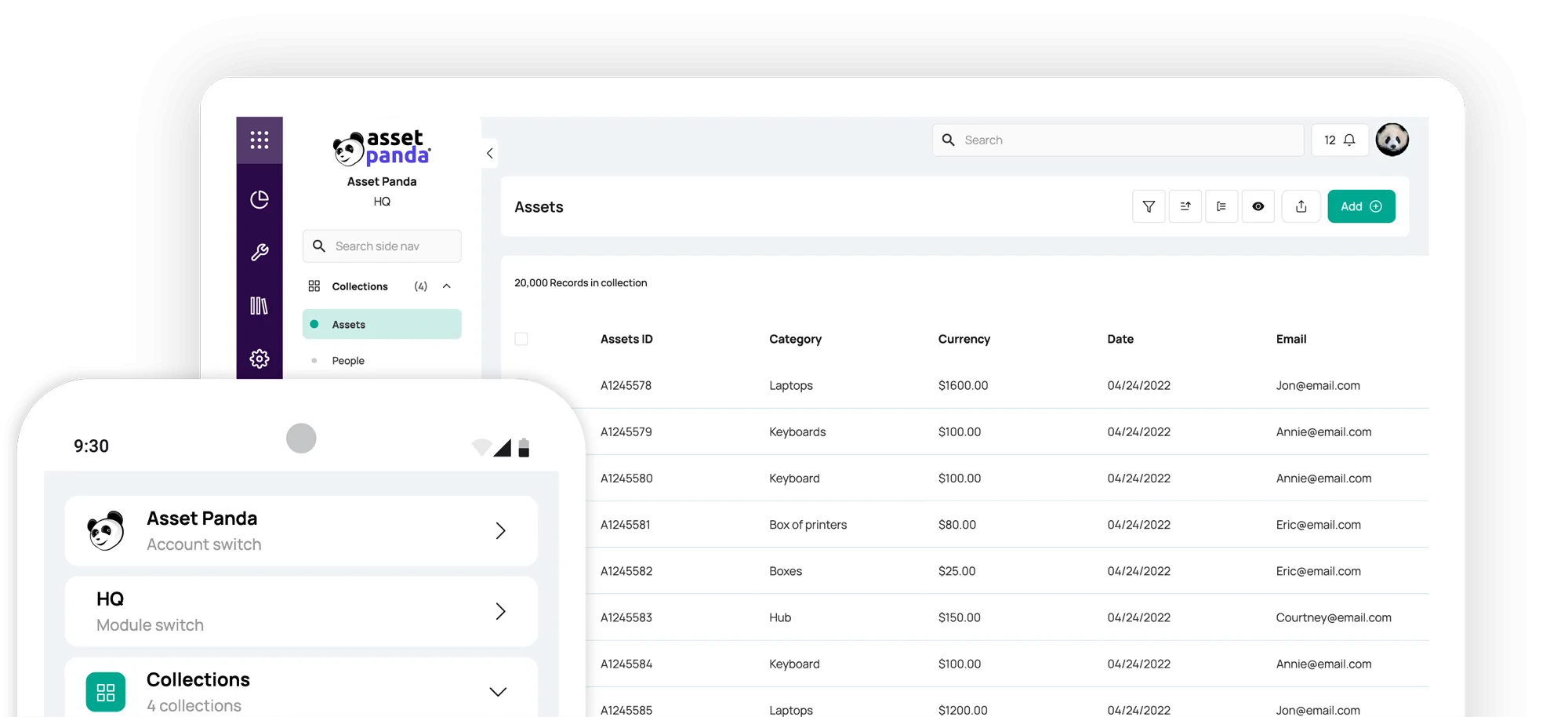
Asset Panda helps construction companies manage tools, equipment, tool kits, maintenance activity, and job site assignments from a single configurable platform.
Teams can track where tools are located, who is responsible for them, when maintenance is required, and whether equipment is available for deployment. Mobile scanning capabilities allow users to update records directly from the warehouse, vehicle, or jobsite.
Construction companies use Asset Panda to:
- Track tools across job sites and storage locations
- Check equipment in and out using mobile devices
- Manage tool kits and bundled equipment
- Monitor maintenance and repair history
- Generate audit and utilization reports
- Improve accountability across crews and projects
Because Asset Panda is highly configurable, organizations can tailor workflows to match how their tool crib operates today. Just see how Track Utilities gets back a day a week managing their tool crib with Asset Panda.

Want to see how Asset Panda's tool crib management software can help you save time and reduce tool fade? Request your personalized demo today.
Take Control of Your Assets
A personalized demo is just one click away.
Frequently asked questions
What is tool crib management software?
Tool crib management software is a digital system used to track tools, equipment, assignments, maintenance activity, and inventory movement. It helps construction companies understand what tools they own, where those tools are located, and who is responsible for them.
Why do construction companies need tool crib management software?
Construction companies use tool crib management software to improve accountability, reduce tool loss, simplify audits, manage maintenance schedules, and ensure crews have the equipment they need to complete their work.
What is tool kitting in construction?
Tool kitting is the process of grouping multiple tools together as a deployable set for a crew, project, or task. Tool crib software helps organizations track both the kit and the individual tools within it.
How does tool crib software help reduce tool fade?
Tool crib software records every assignment, transfer, check-out, and return. This creates accountability and makes it easier to determine where tools are located and who last used them.
Can tool crib management software track maintenance and calibration?
Yes. Most modern tool crib management systems like Asset Panda can track maintenance schedules, repair history, calibration requirements, warranties, and service reminders to help keep equipment operational and compliant.
Related News & Press



Learn more from a solution specialist
Schedule a demo to find out how you can transform your workflows with Asset Panda Pro
Contact our team at (888) 928-6112