
Is Software a Fixed Asset? What You Need to Know
Blog

Table of Contents
Take Control of Your Assets
A personalized demo is just one click away.
Quick Answer
Software can be a fixed asset, but not always. In most cases, purchased software used internally for more than one accounting period is treated as a fixed (long-term) asset for accounting purposes, even though it's not a physical item. Software developed for sale or held for resale is typically classified as a current (short-term) asset, and subscription-based Software as a Service (SaaS) is often treated as an operating expense rather than a capital asset. The correct classification depends on how your organization acquires, owns, and uses the software.
What Is a Fixed Asset?
A fixed asset is a long-term resource an organization purchases to support its operations rather than sell for profit.
Common examples of fixed assets include:
- Manufacturing equipment
- Company vehicles
- Office furniture
- IT devices
- Buildings
Unlike inventory or other current assets, fixed assets generate value over multiple accounting periods and are typically tracked throughout their lifecycle. For many organizations, software also plays a long-term operational role, which is why questions often arise about how it should be classified.
Can An Intangible Object Be a Tangible Asset?
There’s no denying that software is an intangible object; it exists solely within IT devices, and you certainly can’t hold it in your hand. Typically, when it comes to asset categorization, fixed assets and tangible assets are interchangeable terms. While accountants are tasked with labeling computer software as a fixed or intangible asset, the answer varies depending on that software’s use.
In more cases than you would expect, software is classified as both a fixed asset and a tangible asset according to accounting and asset management guidelines. This occurs most commonly when software is classified as equipment.
Determining whether software is a fixed asset can be confusing because of the difference between software’s physical properties and its classification. A tangible asset doesn’t necessarily need to be a physical object. In an accounting sense, a tangible asset simply means an asset that can be measured. Oftentimes, you can put an exact value on computer software and each individual license that comes with it.
How to Determine Whether Software Is a Fixed Asset or a Current Asset
If your company opts to categorize computer software as a tangible asset, you should first and foremost be able to measure its worth. Whether you purchase a turnkey application from a vendor or have a custom software solution made for your company, there is some kind of upfront cost or fixed monthly payment associated with that software.
Beyond the software’s overall cost, its fixed-asset status also depends on its purpose and longevity. When determining if computer software is a fixed asset, you will want to ask the following 4 questions:
1. Does This Software Support Ongoing Business Operations?
If the company is using it as an operational and revenue-driving resource, that’s a fixed asset.
2. Is This Software Itself The Product?
If the software is a product for sale or resale, it counts as a current asset.
3. Is This Software Useful in The Long Term, Over Several Accounting Periods?
If a company plans to utilize the software for an extended period, it’s a fixed asset.
4. Does The Company Retain Ownership Over This Software Only For a Short Time Before Liquidating It?
If so, it’s a current asset.
In the accounting world, software counts as a fixed asset when it is used like a fixed asset. If your company’s software was purchased for long-term use (aka for more than one accounting period), that makes it subject to fixed asset tracking. If the software is used to deliver goods and services (but is not one of your company’s offered goods or services, such as a SaaS platform), that makes it a tangible asset. Some examples of these long-term, tangible software assets include shipping and logistics management software and website or cloud hosting applications.
Current vs. Fixed Assets: What's The Difference?
3 Different Types of Software that Require Different Treatment
Not every type of software should be managed the same way. Here are 3 common software types that organizations might manage.
- Perpetual Licensed Software: Organizations purchase perpetual licenses and retain long-term rights to use the software. These licenses are commonly capitalized and managed throughout their lifecycle.
- Subscription Software (SaaS): Cloud-based applications such as Microsoft 365, Salesforce, or other subscription services are generally treated as operating expenses because organizations pay recurring subscription fees rather than purchasing the software outright.
- Custom Software: Organizations that develop or commission custom software may capitalize certain development costs depending on applicable accounting standards and the stage of development.
Because accounting treatment varies, organizations should consult applicable accounting guidance and qualified professionals when determining capitalization policies.
Why Software Asset Management Matters
Whether software is capitalized or expensed, organizations still need visibility into their software assets.
With a dedicated software asset management solution, businesses can:
- Track software ownership
- Manage and assign software licenses
- Monitor renewals and maintenance agreements
- Support software audits
- Improve budgeting
- Reduce unused licenses
- Maintain compliance with vendor licensing agreements
Without centralized tracking, organizations often struggle with duplicate purchases, underutilized licenses, and incomplete inventory records.
Track Your Software Assets with Asset Panda
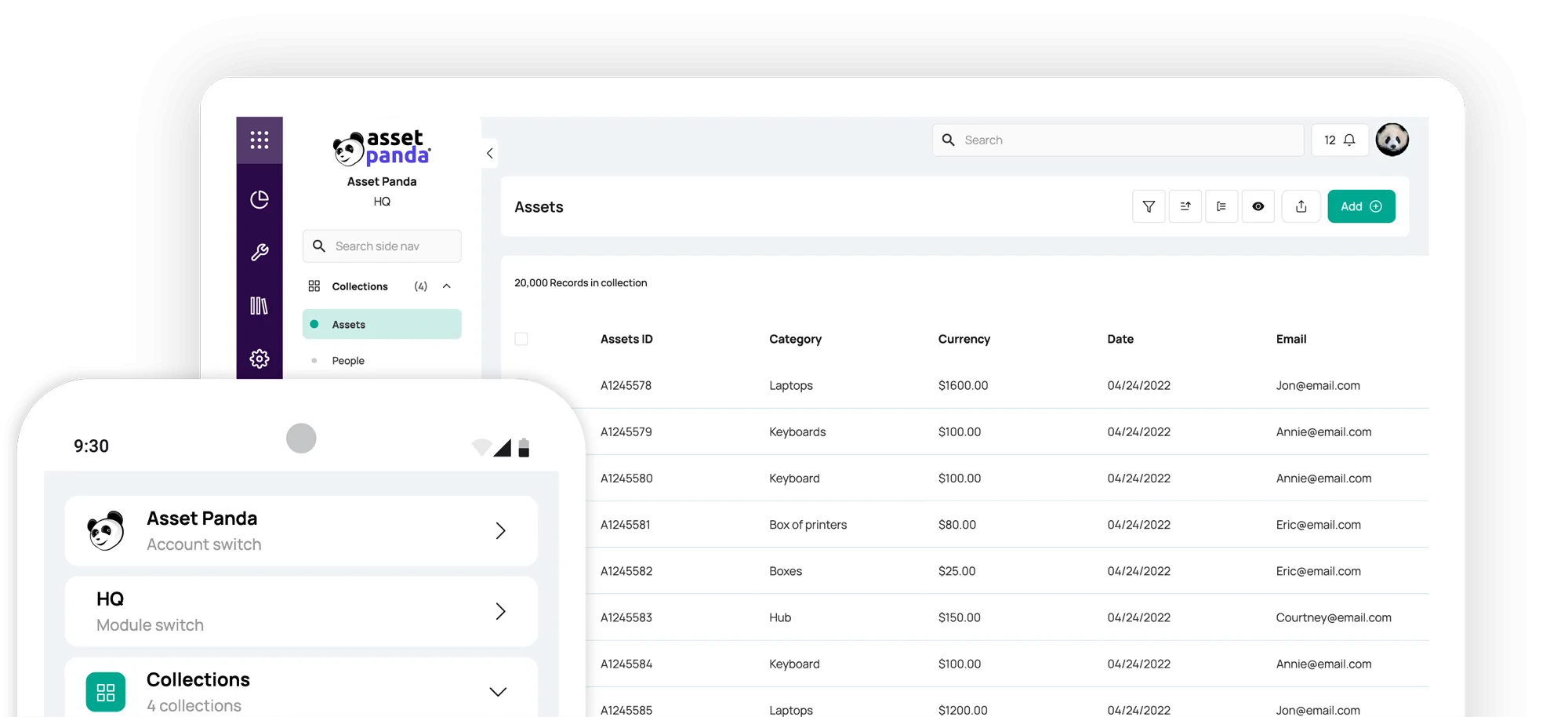
Classifying your various software assets is vital to ensuring an accurate balance sheet. Once you’ve successfully categorized your software assets, you can take the guesswork out of managing them with a dedicated asset tracking platform. Asset Panda’s powerful solution allows companies of all sizes to track their fixed assets in real time and manage their full lifecycle history for effortless accounting.
With Asset Panda, organizations can:
- Track software licenses and ownership
- Assign licenses to employees
- Monitor renewals and maintenance agreements
- Manage software and hardware assets in one centralized place
- Generate audit-ready reports
- Improve accountability across IT and finance
Want to see how Asset Panda can help your organization effectively manage software assets? Book a call with your solution specialist today.
Take Control of Your Assets
A personalized demo is just one click away.
Frequently asked questions
Is software considered a fixed asset?
Software can be considered a fixed asset when it is purchased for long-term internal use and capitalized according to applicable accounting standards. Subscription-based software is typically treated differently.
Can software be depreciated?
Capitalized software costs are generally amortized rather than depreciated because software is an intangible asset. The appropriate accounting treatment depends on the type of software and applicable accounting standards.
Should software licenses be tracked as assets?
Yes. Organizations should track software licenses, assignments, renewals, purchase information, and lifecycle history to improve compliance, budgeting, and operational visibility.
How does software asset management benefit my organization?
Software asset management helps organizations manage licenses, reduce unnecessary software spending, prepare for audits, improve compliance, monitor renewals, and maintain accurate records of software assets throughout their lifecycle.
Related News & Press



Learn more from a solution specialist
Schedule a demo to find out how you can transform your workflows with Asset Panda Pro
Contact our team at (888) 928-6112