
Unpacking The Difference Between Wholesaler and Distributor
Blog
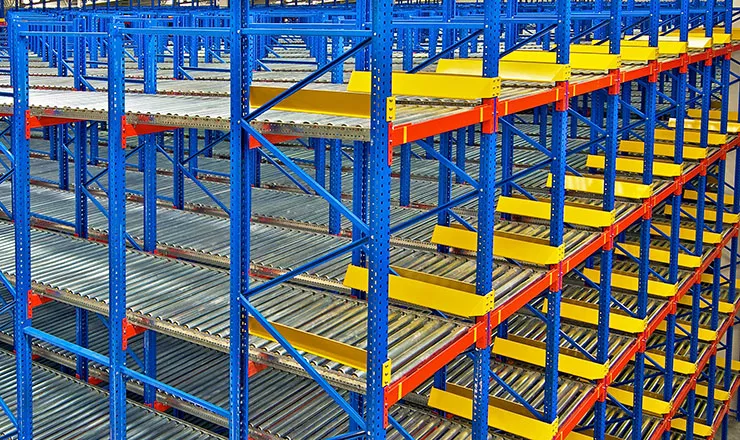
Table of Contents
Take Control of Your Assets
A personalized demo is just one click away.
Quick Answer
The difference between wholesalers and distributors is primarily in who they work for in the supply chain. Both serve as intermediaries between manufacturers and retailers. Distributors focus on expanding a manufacturer's reach, whereas wholesalers focus on supplying products where there is customer demand.
Wholesaler vs. Distributor: Why Understanding the Difference Matters
The terms wholesaler and distributor are often used interchangeably, but each performs a different role within the supply chain. A supply chain is an entire network of entities, directly or indirectly interlinked and interdependent in serving the same consumer or customer. It's comprised of:
- Manufacturers who convert raw material into products.
- Wholesalers and distributors who serve as go-betweens for manufacturers and retailers.
- Retailers who store those products as inventory and put them up for sale.
- Consumers who purchase the products.
Supply chains vary depending on the industry and context, but generally follow the pipeline above. Each link in the chain is dependent on the others in order for the entire supply chain to run smoothly.
Wholesaler vs. Distributor: At a Glance
| Wholesaler | Distributor |
| Purchases products to resell | Represents the manufacturer |
| Works closely with retailers, contractors, and commercial buyers | Works closely with manufacturers |
| Buys inventory in bulk | Often manages regional distribution rights |
| Often offers products from multiple manufacturers | Usually carries limited product lines |
| Primarily fulfills customer orders | May provide product training and marketing |
What Is a Wholesaler?
A wholesaler purchases products in large quantities and resells them to retailers, contractors, institutions, or other businesses. Buying in bulk allows wholesalers to obtain discounted pricing, which they pass along to their customers while maintaining their own margin.
Wholesalers primarily focus on customer demand rather than representing a specific manufacturer. Many wholesalers carry products from multiple brands, allowing customers to purchase a wide variety of products through a single supplier.
Typical wholesaler responsibilities include:
- Purchasing inventory in bulk
- Maintaining warehouse inventory
- Fulfilling customer orders
- Managing stock availability
- Consolidating products from multiple manufacturers
- Supporting retailers and commercial buyers
Wholesalers are common in industries like retail, food service, construction, electrical supply, plumbing, healthcare, and office products.
What Is a Distributor?
A distributor works on behalf of a manufacturer to bring products to market and find wholesalers to resell their products.
Rather than simply moving inventory, distributors often serve as an extension of the manufacturer's sales and logistics organization. Depending on the industry, they may receive exclusive distribution rights for a region or product line and are responsible for developing retailer relationships, educating customers, coordinating deliveries, and supporting product adoption.
In addition to inventory management, distributors commonly:
- Promote new products
- Manage regional sales relationships
- Coordinate logistics and fulfillment
- Handle returns and warranty programs
- Forecast demand with manufacturers
- Support retailers with product training
Industries such as industrial equipment, healthcare, technology, and construction frequently rely on distributors to expand product reach without building their own direct sales organizations.
4 Key Differences Between Wholesalers and Distributors
Business Relationship
Wholesalers primarily work with retailers and commercial buyers, while distributors work closely with manufacturers, while w
Inventory Ownership
Wholesalers typically purchase inventory and resell it from their own warehouses. Distributors may also own inventory, but their primary role is representing and distributing products on behalf of manufacturers.
Product Selection
Wholesalers usually carry inventory from many manufacturers, giving buyers more purchasing flexibility. Distributors often specialize in one manufacturer's product line or a small number of related brands.
Sales Responsibilities
Wholesalers primarily focus on inventory availability, pricing, and order fulfillment. Distributors often support sales, marketing, product education, and channel development.
Managing Vendors Across the Supply Chain
Whether your organization works with distributors, wholesalers, manufacturers, or a combination of all three, vendor management quickly becomes an operational challenge.
Organizations need visibility into:
- Approved vendors
- Supplier contracts
- Pricing agreements
- Vendor qualifications
- Procurement activity
- Purchase history
- Inventory received
- Communication records
Managing this information through spreadsheets or disconnected systems often leads to duplicate records, inconsistent pricing, and inefficient procurement workflows. A centralized vendor management system helps organizations maintain accurate supplier information while improving purchasing decisions and operational efficiency.
Managing Assets and Inventory Across the Supply Chain
Every organization in the supply chain manages both operational assets and inventory.
- Manufacturers rely on production equipment, warehouses, and machinery while maintaining raw materials and finished goods inventory.
- Distributors manage warehouse equipment, vehicles, and facilities alongside the products they distribute.
- Wholesalers track warehouse assets while maintaining large quantities of inventory from multiple manufacturers.
- Retailers manage store equipment, point-of-sale systems, and inventory intended for customers.
Although these organizations have different business models, they all depend on accurate visibility into both assets and inventory. The right asset and inventory management system can help organizations manage equipment, inventory, and vendor relationships while improving reporting, accountability, and operational efficiency.
How Asset Panda Supports Supply Chain Operations
Understanding the difference between wholesalers and distributors helps organizations build stronger supply chain relationships and make better procurement decisions. Although their responsibilities differ, both play essential roles in moving products through the supply chain.
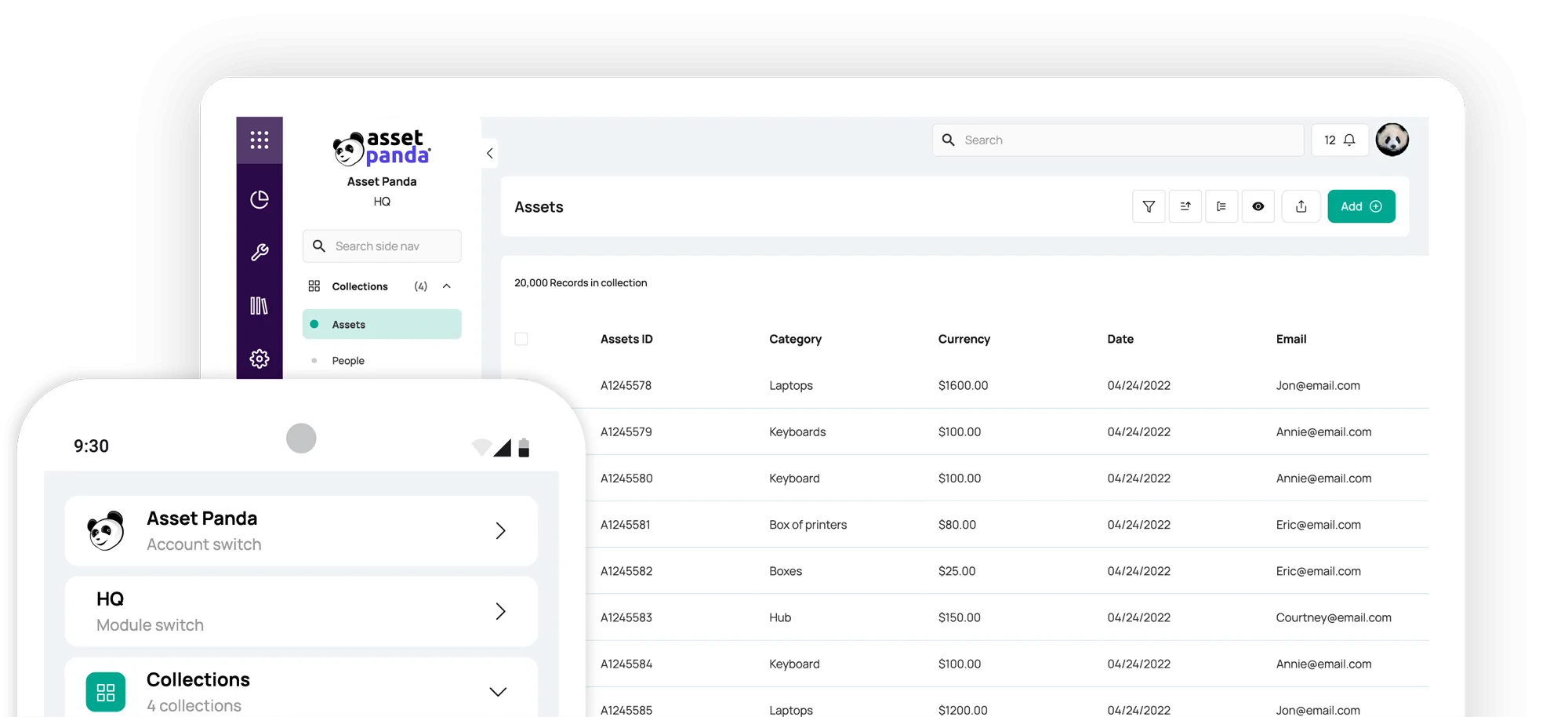
Organizations that manage vendors, inventory, and operational assets from a centralized system gain greater visibility, improve operational efficiency, and simplify the complex relationships that keep modern supply chains running. Asset Panda can serve as that unified system, helping businesses manage all the assets, records, and processes their supply chain operations rely on.
With Asset Panda, organizations can:
- Manage approved vendor records
- Track inventory across warehouses and locations
- Monitor equipment and operational assets
- Generate purchasing and inventory reports
- Create automated notifications and workflows
- Access inventory and asset information from mobile devices
- Improve visibility across the supply chain
Want to see how Asset Panda can streamline your asset tracking and supply chain management? Book a call with your solution specialist today.
Take Control of Your Assets
A personalized demo is just one click away.
Frequently asked questions
What is the main difference between a wholesaler and a distributor?
A wholesaler purchases products in bulk and resells them to retailers or businesses. A distributor represents a manufacturer and helps bring products to market through sales, logistics, and retailer relationships.
Can a distributor also be a wholesaler?
Yes. In some industries, a company may perform both roles by representing manufacturers while also purchasing inventory for resale. However, the two functions have different primary objectives and responsibilities.
How does this support audit readiness?
Every transfer, maintenance update, and funding linkage creates a time-stamped, user-attributed record. Reports can be generated instantly for audit or grant review.
Do wholesalers buy directly from manufacturers?
Sometimes. Wholesalers may purchase products directly from manufacturers or through distributors, depending on the industry, product line, and supplier relationships.
Which industries use wholesalers and distributors?
Wholesalers and distributors are common in manufacturing, construction, healthcare, food service, technology, industrial equipment, automotive, consumer goods, and retail supply chains.
How do wholesalers and distributors manage inventory?
Most wholesalers and distributors use inventory management systems to monitor stock levels, warehouse locations, purchasing activity, and inventory movement. Many also use asset management software to track warehouse equipment, vehicles, and operational assets alongside inventory.
Related News & Press



Learn more from a solution specialist
Schedule a demo to find out how you can transform your workflows with Asset Panda Pro
Contact our team at (888) 928-6112