
Asset Tracking Is No Longer Enough. Welcome to the Era of Asset Intelligence.
Blog

Table of Contents
Uncover Better Asset Insights
Request your asset intelligence demo today.
Quick Answer
Asset intelligence is the practice of combining asset tracking, inspections, maintenance history, compliance records, and operational workflows into a single source of truth. Unlike traditional asset tracking, which primarily answers where an asset is, asset intelligence helps organizations understand an asset's condition, compliance status, maintenance history, and what actions should happen next. This additional context enables organizations to reduce downtime, improve audit readiness, extend asset lifecycles, and make more informed operational decisions.
For decades, organizations have invested in systems designed to answer a fundamental question: Where are my assets?
It was a reasonable place to start. Whether managing laptops across an enterprise, tracking emergency response equipment, or maintaining critical infrastructure, simply knowing where an asset significantly improved operational efficiency. But the demands placed on organizations have changed.
Today, leaders aren't just responsible for locating assets. They're expected to keep them operational, prove they're compliant, extend their useful life, and make informed decisions with fewer resources than ever before.
That means the questions organizations ask of their asset management systems have evolved. On top of asking where their assets are, businesses also need to know:
- Is this asset safe to use?
- Has it been inspected?
- When is it due for maintenance?
- Are we prepared if an auditor asks for documentation tomorrow?
- Which assets require attention before they become problems?
These aren't questions that asset tracking alone can answer. They require something more: context.
The Evolution of Asset Tracking
The story of asset management has largely been one of improving visibility. Organizations moved from paper records to spreadsheets, and then spreadsheets gave way to barcode scanners and mobile devices. GPS, RFID, and cloud platforms made it possible to know where assets were in real time, often across multiple facilities or even continents.
Each step represented meaningful progress. Yet while technology dramatically improved visibility, operational understanding hasn't always kept pace
Many organizations today have no shortage of data. They know where their equipment is, who it's assigned to, and when it was purchased. What they often struggle with is understanding the complete operational picture surrounding each asset.
This disconnect happens when different records (e.g., inspections, maintenance, and compliance) live in different systems, rather than in one centralized place. By the time someone needs the information, it often requires piecing together data and context from multiple places. But with an asset intelligence platform, organizations have all the asset information they need in one place to make more informed decisions.
What Is Asset Intelligence?
Asset intelligence transforms asset records into operational knowledge. It unifies asset tracking, inspections, compliance documentation, reporting, mobile workflows, and automations so teams can understand what they have, what is happening with their assets, and what needs to happen next.
The result is an asset record that tells a complete story instead of presenting isolated pieces of information. When every event is connected, organizations gain more than historical records; they gain the context needed to make better operational decisions.
Why Traditional Asset Tracking Falls Short
The limitations of traditional asset tracking don't come from a lack of capability. They come from the fact that most tracking systems were designed to answer yesterday's questions.
As operational responsibilities have expanded, asset data has become increasingly fragmented across departments and applications.
- Facilities teams maintain maintenance schedules.
- Safety teams manage inspections.
- Finance tracks depreciation.
- IT documents assignments.
- Compliance teams prepare audit evidence.
Each group may have the information they need individually, but very few organizations have a unified picture of the asset itself.
The consequences are familiar to many organizations:
- Preventive maintenance gets delayed.
- Inspection deadlines are missed.
- Audit preparation becomes a scramble.
- Leadership lacks visibility into operational risk.
- Teams spend more time searching for information than acting on it.
Moving From Records to Decisions
Imagine opening an asset record and immediately understanding the item's current status along with everything that matters about its operational health.
Instead of searching across multiple systems, teams could instantly see:
- Whether required inspections are complete
- Upcoming maintenance dates
- Compliance status
- Historical service records
- Patterns that suggest future issues
This shift changes the role of an asset management platform. Instead of serving as a place to store information, it becomes a system that helps organizations make informed decisions every day. That difference may seem subtle, but its impact can be significant: reducing downtime, improving compliance readiness, and helping teams prioritize the work that matters most.
Intelligence That Works Alongside Your Team
The emergence of artificial intelligence has only reinforced the importance of connected operational data. AI has tremendous potential to summarize records, identify patterns, surface risks, and recommend next steps. But its effectiveness depends entirely on the quality and completeness of the information it can access.
Disconnected records produce limited insights. Complete operational histories create meaningful intelligence.
When inspection data, maintenance records, compliance documentation, and asset history are connected, AI becomes far more than a conversational interface. It becomes another tool that helps organizations understand what has happened, identify what matters now, and anticipate what should happen next.
Introducing the Asset Panda Intelligence Platform
At Asset Panda, we've spent years helping organizations manage their most valuable physical assets. Along the way, we've seen the role of asset management expand. Customers aren't simply asking where their assets are; they're asking how to operate them more efficiently, maintain compliance with confidence, reduce downtime, and make better decisions.
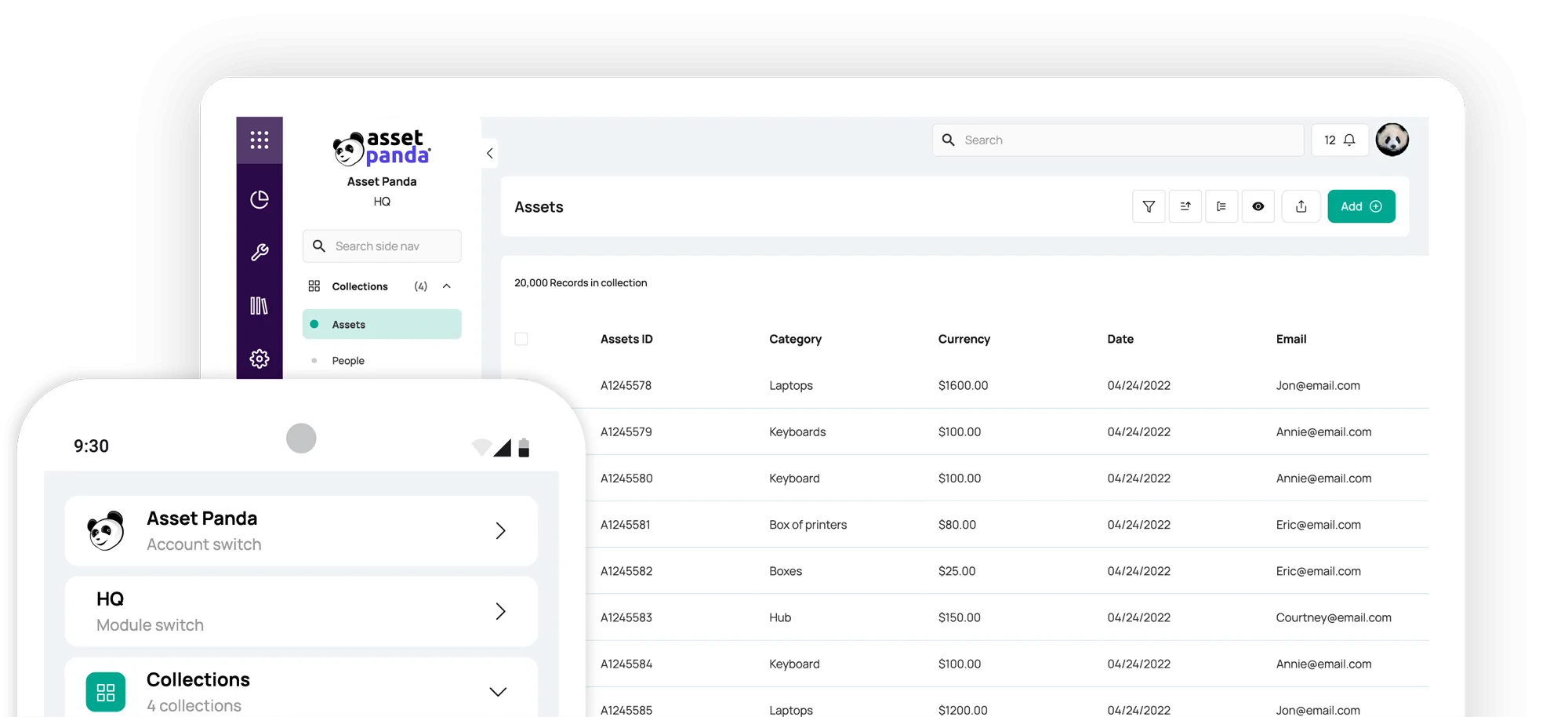
The Asset Panda Intelligence Platform brings together four essential capabilities: Track, Inspect, Audit, and Stay Compliant, all within a single connected experience. By combining operational workflows with intelligent insights, the platform helps organizations move beyond simply collecting asset data toward understanding what that data means and what actions it should drive.
The Future Is About Better Decisions
Asset tracking isn't going away; knowing where your assets are will always matter. But knowing an asset's location and status is no longer the finish line—it's the starting point.
The organizations that will be most successful over the next decade won't simply have more asset data. They'll have a better understanding of what that data is telling them.
- They'll know which assets need attention before failures occur.
- They'll be prepared for audits instead of reacting to them.
- They'll spend less time gathering information and more time acting on it.
In other words, they'll move beyond tracking assets to truly understanding them. Because the most important question organizations can ask is no longer: "Where is my asset?" It's: "What does my asset need next?"
Discover how our asset intelligence platform helps organizations connect asset tracking, inspections, maintenance, compliance, and intelligent insights into one operational platform, giving every asset a more complete story throughout its lifecycle. Book your personalized demo today.
Take Control of Your Assets
A personalized demo is just one click away.
Frequently Asked Questions
What is asset intelligence?
Asset intelligence is the ability to combine asset location, maintenance history, inspections, compliance records, lifecycle data, and operational workflows into a single view of each asset. Rather than simply tracking where an asset is, asset intelligence helps organizations understand its condition, identify risks, and determine what actions should happen next.
How is asset intelligence different from asset tracking?
Asset tracking focuses primarily on identifying an asset's location, ownership, or status. Asset intelligence builds on that foundation by connecting maintenance records, inspections, compliance documentation, historical activity, and operational workflows. The result is a more complete picture that supports better operational and business decisions.
What are the benefits of an asset intelligence platform?
An asset intelligence platform helps organizations move beyond basic inventory management by providing the context needed to make proactive decisions. Common benefits include:
- Improved maintenance planning
- Better audit and compliance readiness
- Reduced equipment downtime
- Increased asset visibility
- Faster decision-making
- Longer asset lifecycles
- Centralized operational records
Which organizations benefit most from asset intelligence?
Asset intelligence benefits any organization responsible for maintaining physical assets throughout their lifecycle. Common industries include government, education, healthcare, manufacturing, construction, utilities, facilities management, public safety, and transportation. Organizations with compliance requirements, distributed assets, or multiple departments often see the greatest value because asset intelligence centralizes information that would otherwise be spread across disconnected systems.
Why is asset intelligence important for AI-powered asset management?
Artificial intelligence is only as effective as the data it can access. When maintenance records, inspections, compliance documentation, and asset history are stored together, AI can identify trends, surface operational risks, recommend next steps, and help teams prioritize work. Without connected asset data, AI has limited context and provides less actionable insights.
Learn more from a solution specialist
Schedule a demo to find out how you can transform your workflows with Asset Panda Pro
Contact our team at (888) 928-6112